- Insights for Scale Ups by Imagine Capital Group
- Posts
- ICE 2026: Signals from the Payments Floor
ICE 2026: Signals from the Payments Floor
Less speculation. More structure. Clearer outcomes

Tom Schapira
January 23, 2026
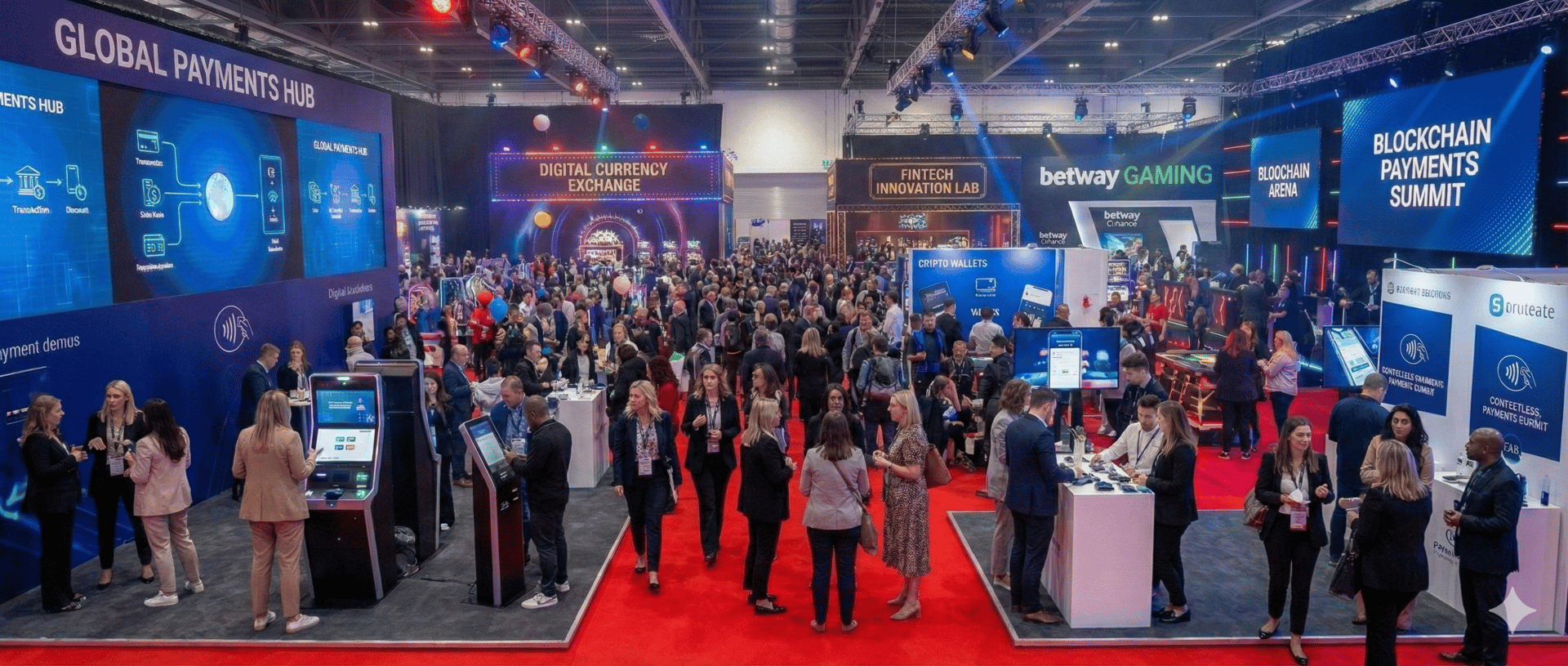
ICE was my first conference of 2026. For many others, it was too. The scale was familiar. What felt different was the weight of the conversations. Less noise. More decisiveness.
These were the payments themes that came up repeatedly and matter.
Regulation now sits at the centre of strategy
Regulation ran beneath almost every discussion.
In Lithuania, EMI and PI licensing has slowed materially. Processes that once took months now routinely extend beyond a year. The Bank of Lithuania has raised capital expectations, deepened AML scrutiny, and shown a clear willingness to fine not only for failures, but for structural weaknesses revealed by past ones. The posture is no longer reactive. It is preventative.
Luxembourg’s CSSF, already known for its rigour, is tightening further under MiCA. Shelf licences and paper governance are no longer sufficient. Crypto AML traceability, including the EU Travel Rule now fully embedded in national law, is part of licensing dialogue itself. The signal is explicit.
Poland barely featured and is becoming obsolete. Several founders described it as administratively heavy, slow to passport, and oriented toward domestic players rather than cross-border growth.
Compliance is no longer a support function. It now shapes product roadmap, cost base, and valuation.
Stablecoins edged closer to real utility
MiCA enforcement is changing how institutions treat tokenised money.
European payment firms are no longer debating definitions. Many are either using, or actively preparing to integrate, regulated stablecoins into settlement flows. The shift is from concept to corridor.
Euro-denominated stablecoins are being positioned alongside SEPA, SWIFT, and RTP, particularly in FX-intensive use cases where pre-funding and reconciliation remain costly. Volumes still skew heavily toward trading, but the discussion has moved on. Last year was about interpretation. This year, teams were building. Value increasingly needs to move in step with goods. That favours programmable money that clears, not just stores.
Orchestration and gateway infrastructure has matured
Multi-acquirer setups are now standard for large merchants. Orchestration platforms are infrastructure, not contingency.
The focus has shifted to control. Intelligent routing. Issuer-specific retries. Blended approval strategies. Full-stack reconciliation.
Gateways are judged less on raw latency and more on data quality. Noisy telemetry degrades performance. Clean data supports margin. Even modest approval uplifts matter when basis points compound at scale.
AI was notably absent
For all the noise elsewhere, it barely whispered in the payments halls. No headline booths. Little corridor chatter.
That does not mean it will not matter. It will shape fraud, reconciliation, and personalisation. It simply was not the story here. Not yet.
Capital is being deployed deliberately
Investment conversations were practical rather than theoretical.
Founders spoke openly about increasing spend across stablecoin development compliance, FX infrastructure, orchestration, and embedded finance. This was not growth for growth’s sake. It was readiness. Building pipes that withstand scrutiny, absorb scale, and improve resilience. It’s about SURVIVAL
Global payments volumes continue to grow materially year on year. The growth is real. It is just no longer frictionless.
Payments M&A has shifted from tentative to executable
Payments M&A volume rose nearly 28% year-on-year by mid-2025, accounting for roughly 30% of all fintech deal activity. It is not just more activity. It is more mature.
Private equity, still flush with dry powder, is focused on stable revenue and regulatory defensibility. Strategic buyers are using M&A to close licence gaps, deepen corridors, or modernise infrastructure.
Valuations have recalibrated. The era of routine 10–15x revenue multiples has largely passed. Strong businesses still command around 6x revenue or 20x EBITDA.
As seller expectations reset and financing conditions stabilise, more processes are moving from paused to executable.
The mood has shifted. Less wait-and-see. More ready-to-move.
When infrastructure becomes more complex, compliance slows, and capital grows selective, outcomes tend to become clearer.
I’ll be on the road over the coming months, mostly around conversations about M&A and growth capital. If our paths cross, even briefly, it would be good to connect.
Jan 27–30: London
February: London, Dublin or Malta - Let’s plan something!
March 9–11: Speaking at MoneyLIVE, London
March 16–19: Speaking at Merchant Payment Ecosystem, Berlin
Late April (likely): Zurich
June: Money20/20 Amsterdam
If a strategic-exit transaction is on your mind this year, or you’re quietly pressure-testing readiness, I’m always open to a thoughtful conversation.
Tom C. Schapira
Founder and CEO
Imagine Capital Group
E: [email protected]
Website http://www.imaginecapitalgroup.com

Securities Offered through Wellesley Hills Securities. Member FINRA/SIPC